Benefit 1
Addresses problems early before they expand into larger repair areas
Please wait while we prepare your content
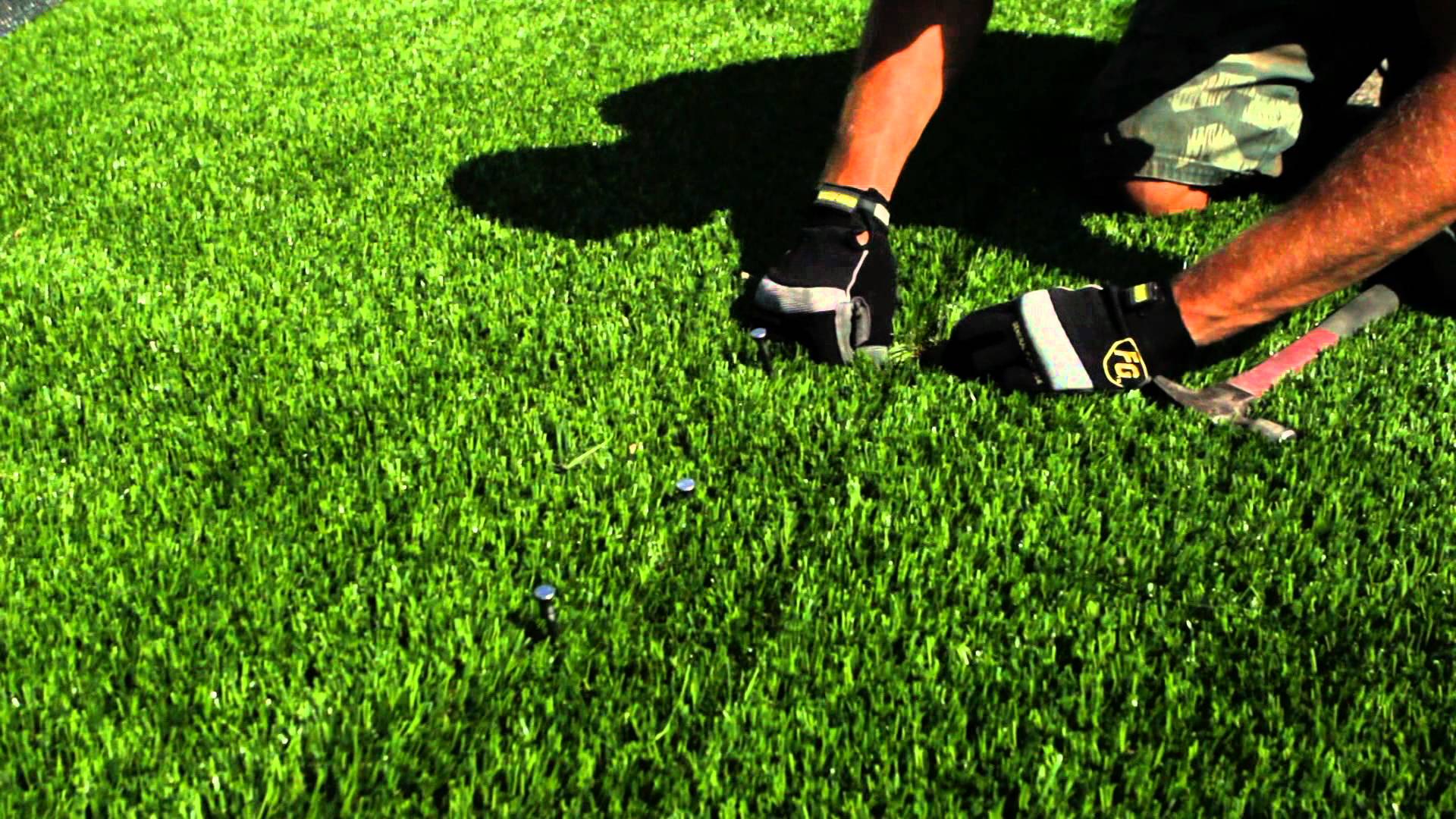
Synthetic grass is built to last 15 to 25 years, but it is not maintenance-proof. In Garland's climate — extreme UV load in summer, freeze-thaw cycles in winter, and clay-soil movement that can shift a base over several years — even a quality installation may develop seam gaps, edge lifts, drainage slowdowns, or matted pile in high-traffic zones. Artificial Turf of Garland provides repair service for all of these issues across Garland, Rowlett, Sachse, Mesquite, and the NE Dallas area.
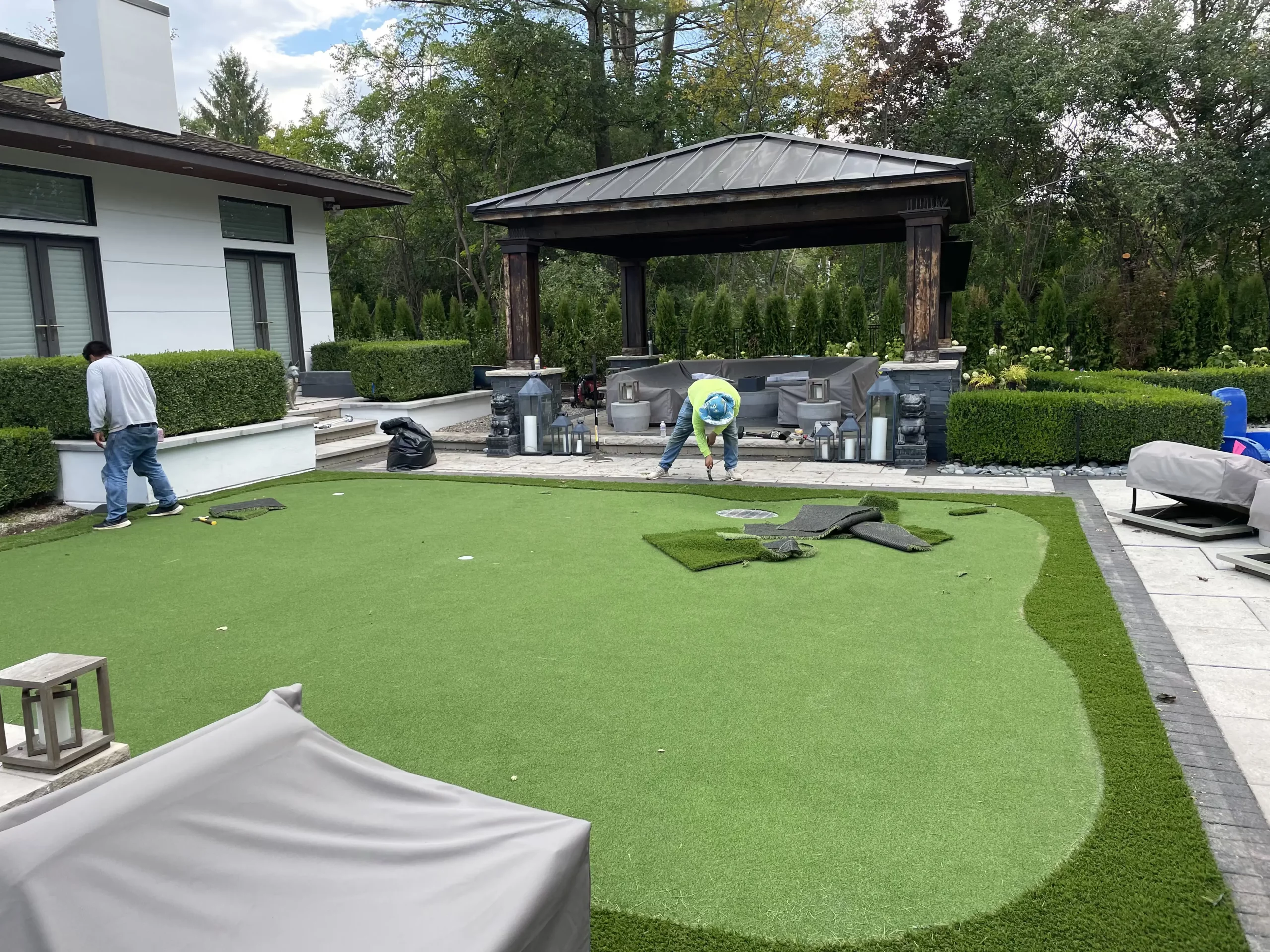
Most repairs are not full replacements. A seam that has opened two or three inches along a 20-foot run does not require pulling the whole yard. A section that has matted down around an outdoor furniture setup needs brushing and infill restoration, not new product. A torn edge at a concrete border needs re-anchoring and a patch, not a new install. We diagnose first, repair what can be fixed, and give you an honest answer when a section is too far gone to save.
If you did not use Artificial Turf of Garland for the original install, we still do the repair. We assess the existing product, identify what is there, and determine whether matching material is available. On older installs where the original product is discontinued, we discuss options — same-size patch from compatible product, or full section replacement if the aesthetic difference would be obvious.
A small problem left unaddressed becomes a larger, more expensive problem. A 3-inch seam gap that allows edge flex will be a 12-inch seam gap within a year as thermal expansion cycles work the adhesive bond loose on both sides. An edge lift that lifts an inch creates a trip hazard and allows debris to pack under the turf backing, which accelerates backing deterioration. Drainage slowdown from infill compaction, if not corrected, creates standing water conditions that degrade the sub-base and can cause uneven settlement.
In Garland's climate, these degradation patterns move faster than in milder regions because the thermal stress is more extreme. A July afternoon at 105 degrees followed by a February ice storm represents a significant range of dimensional change. Products and adhesives that are not maintained — seams re-glued when early gaps appear, edges re-secured when lifting starts — fail faster than they should.
Addresses problems early before they expand into larger repair areas
Cost-effective alternative to full replacement when the issue is localized
Eliminates trip hazards from edge lifts and seam gaps
Fill out the form and we will reply by phone or email as soon as possible.
Every repair starts with a full surface inspection, not just the area you called about. We look at seam condition across the whole installation, edge security at all borders, infill distribution, drainage performance, and blade orientation. Sometimes the issue a homeowner notices — a soft spot in the middle of the yard — is actually a symptom of something happening at the perimeter or in the sub-base.
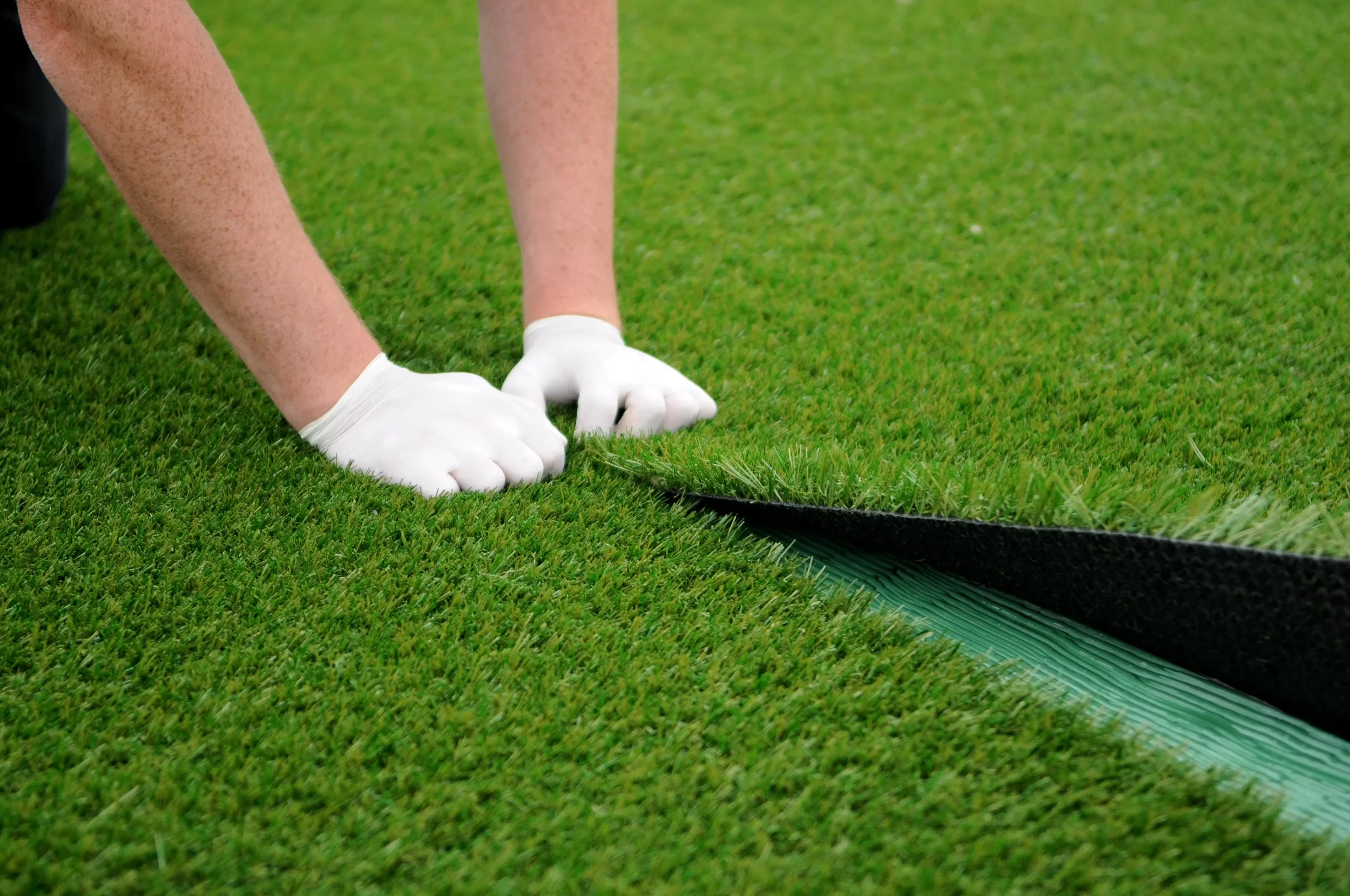
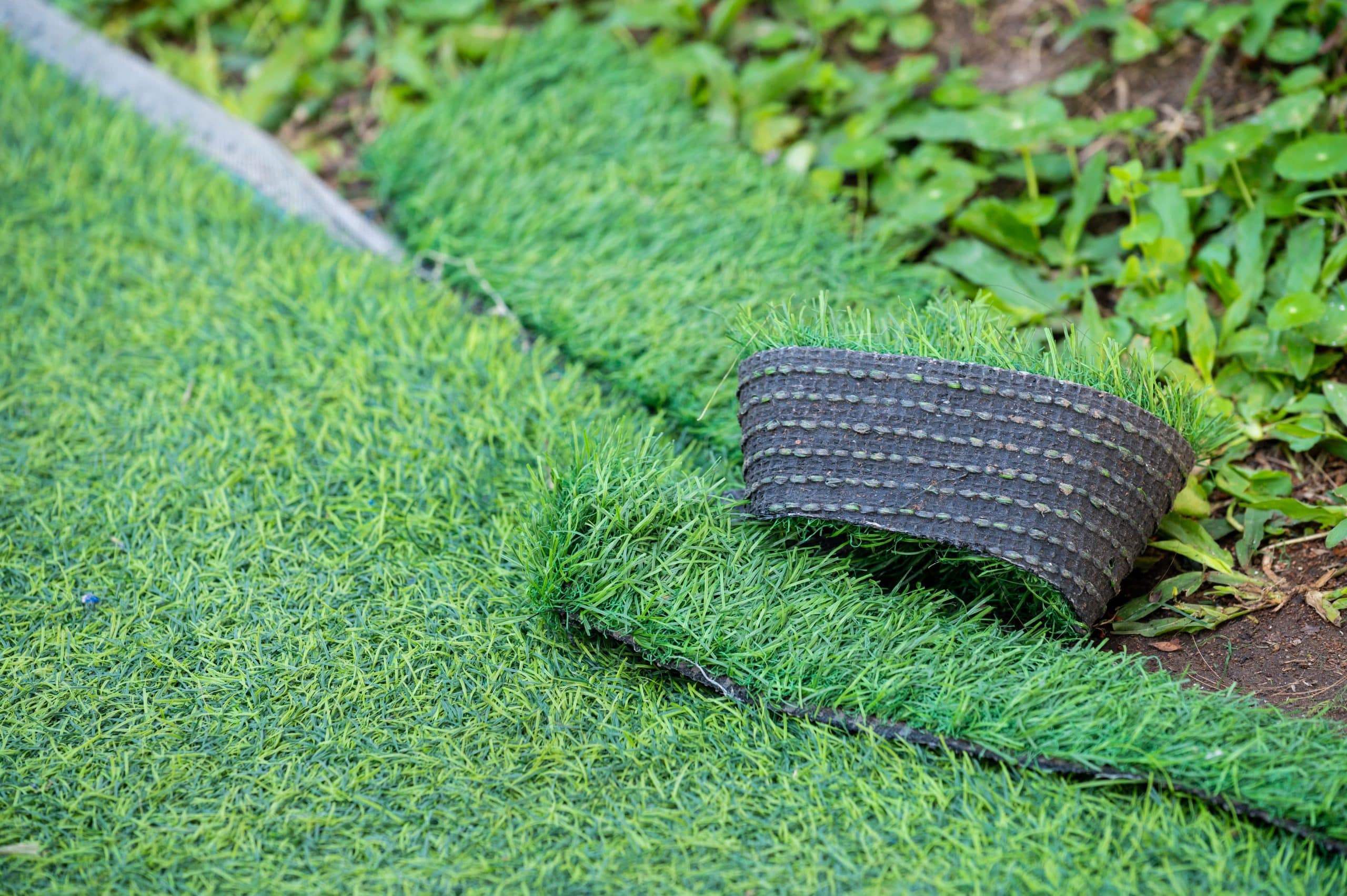
For seam repairs, we lift the affected area, remove degraded adhesive, clean the backing and surface beneath, and re-bond with commercial-grade urethane adhesive. The repaired seam is weighted until fully cured. For tears or punctures, we cut a patch from matching material — or the closest available match if the original product is discontinued — and bond it using the same seam technique. Patching is done so the direction of blade lay matches the surrounding turf, which minimizes the visible contrast at the patch perimeter.
For matted pile sections, we use power-brush equipment to restore blade orientation, then top off infill in the affected area to provide proper blade support. Drainage issues require opening the affected zone, inspecting the base layer, and determining whether the problem is infill compaction, base settlement, or backing damage. Each has a different repair approach.
Every repair call starts with a complete assessment — not just the symptom you noticed
Urethane adhesive matched to Garland's thermal stress range
Power-brush equipment brings matted blades back to standing orientation